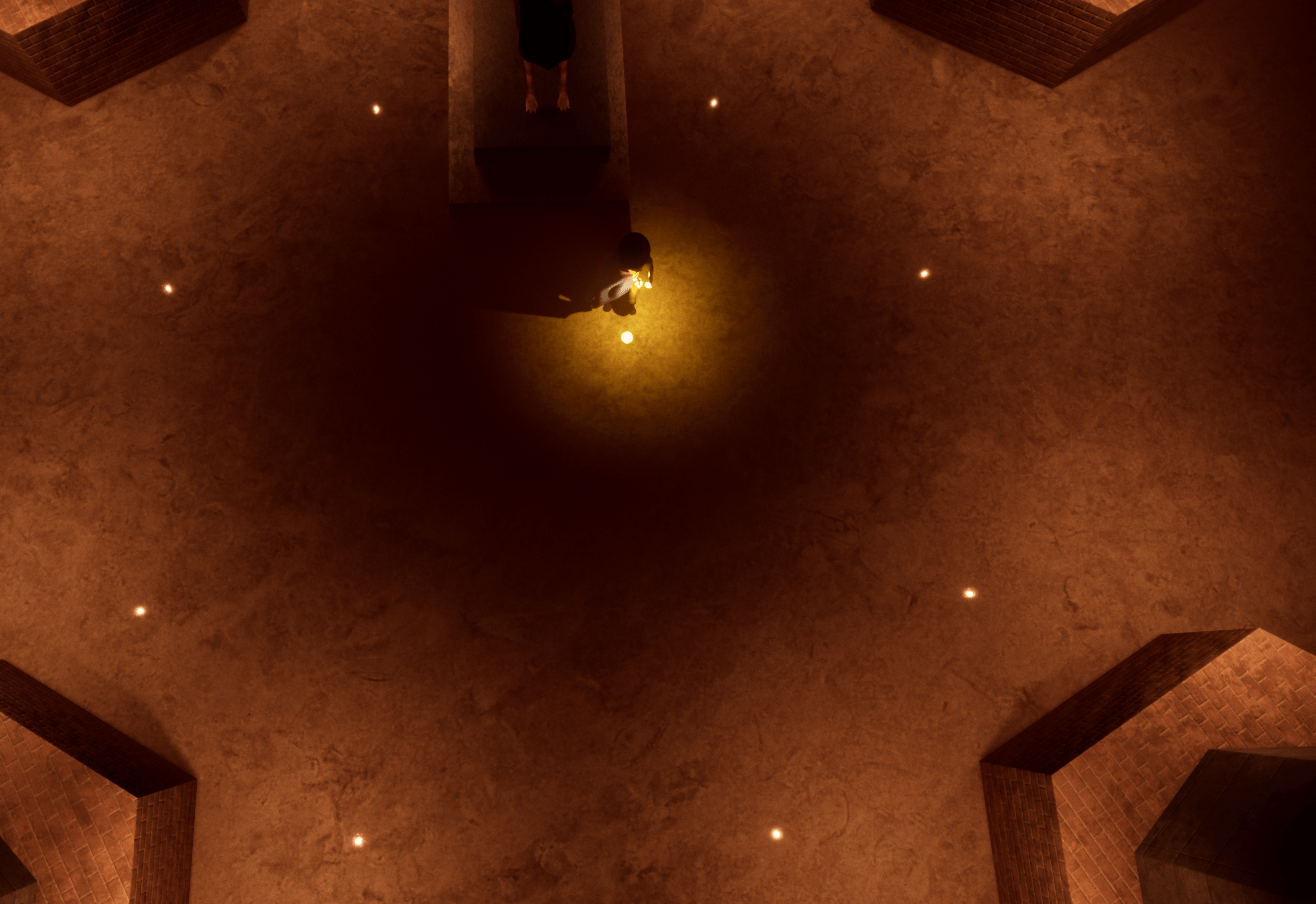
I watched a nice short video by GMTK (Game Maker’s Toolkit) about how some games, mostly indie games, had designed themselves. From a game designer’s point of view it basically means letting the whatever is the most fun in the game take priority even over ideas you were committed to. I’m still struggling with what I want the identity of my game to be, but in making and playing the game over and over again I’m confident I can find it. Once I get my bearings and identify the most fun part of the game I can truly lean into it. The video has showed me there are tons of developers out there with way more experience than I do, and they still take a lot of time before they know what their game is about. This gives me hope that I can complete most of this on my own.
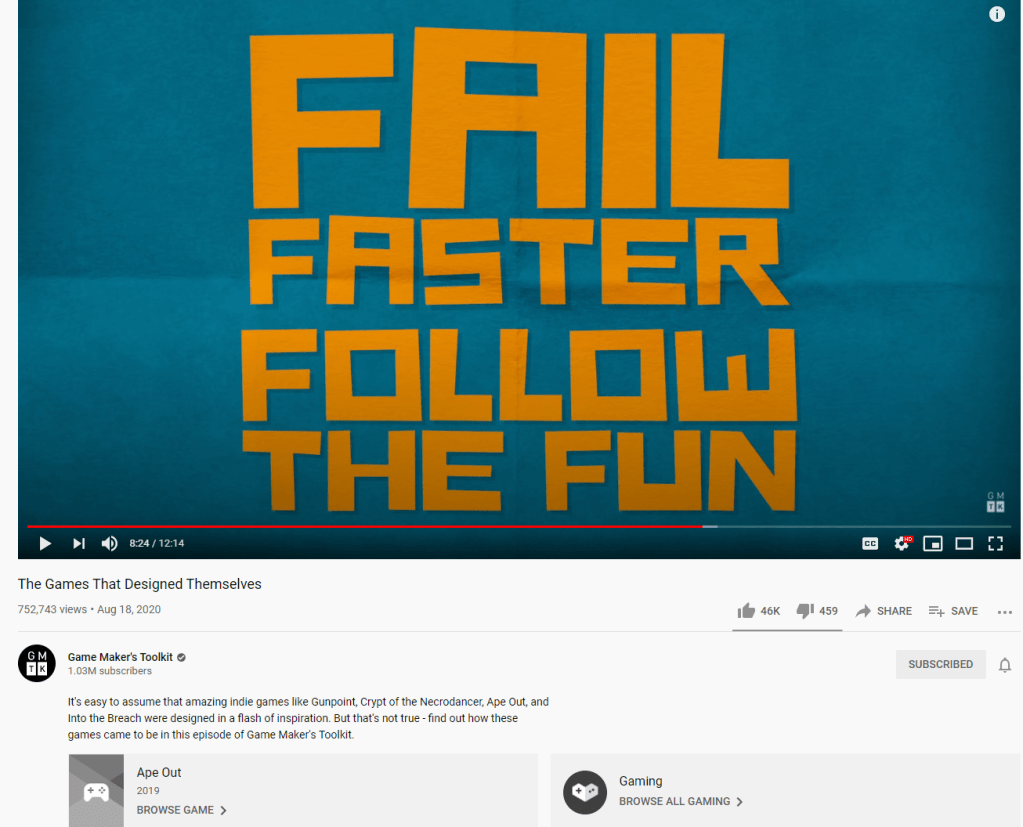
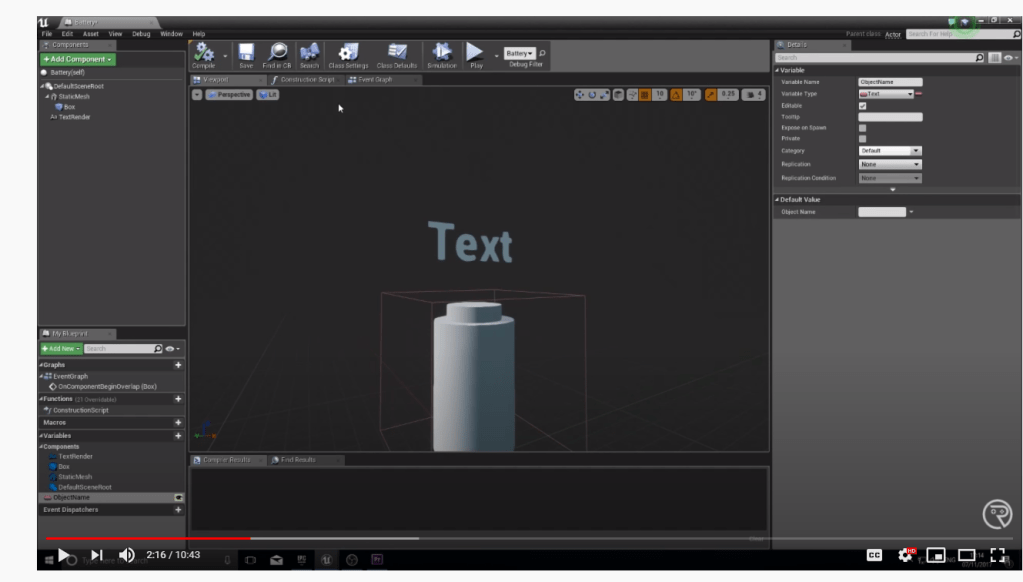
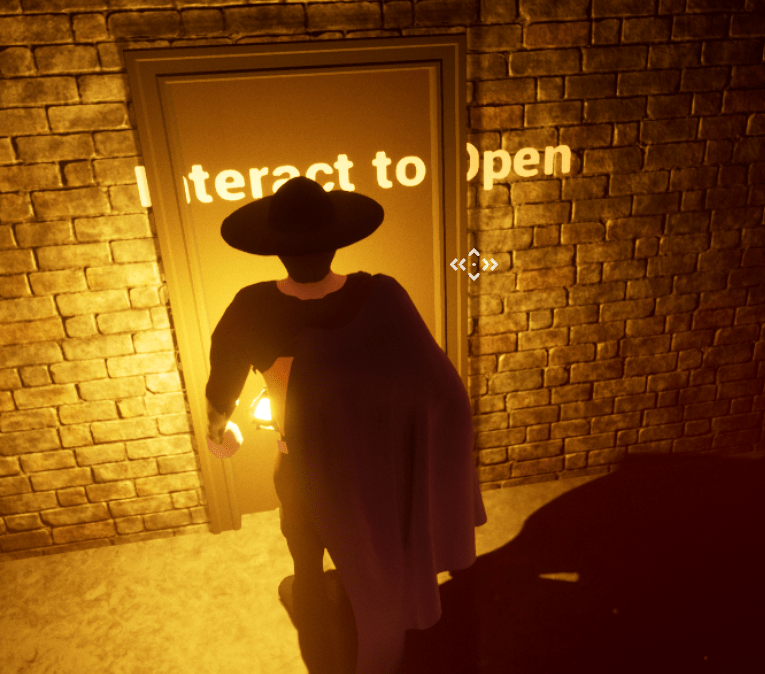
My first order of business was making clear what objects could be interacted with. I first tried attaching texts to objects. While it looked cool having the text be part of the world, it wasn’t very practical. I decided to go with a plainer and clearer instructions by showing the text on the screen itself when near enough to an object. I went to all the objects I had in the game so far and made sure the text worked as it was supposed to. It inspired me to go back to my big boss door and add better logic to it. Previously it opened and closed but in both directions. So if the player was on the wrong side they couldn’t get back in. I added a few more invisible collisions so that the door only closes when the player crosses a certain threshold, and can’t back out from it. Maybe I could have made it simple, or more complicated, but it works well the way it is.

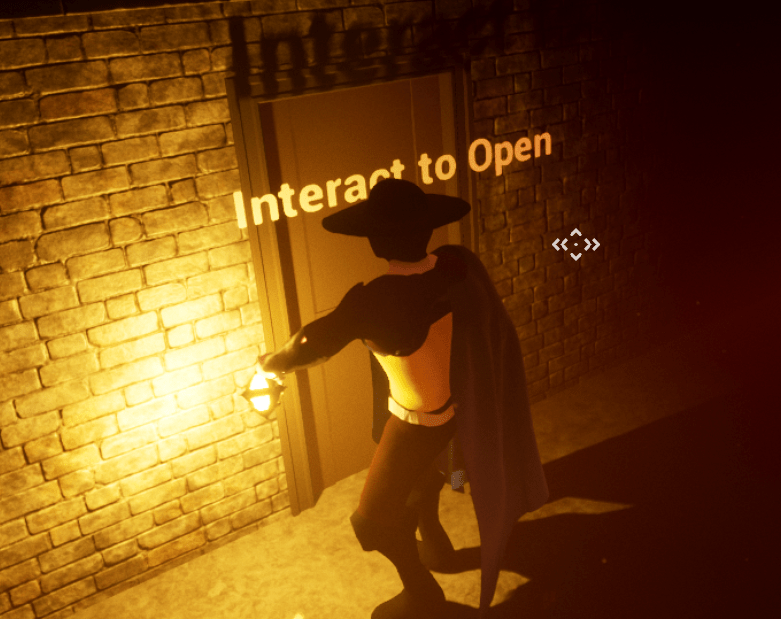


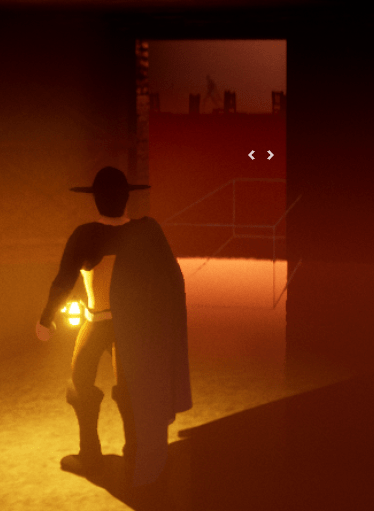

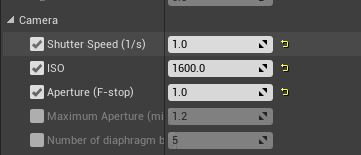
While fighting the boss for the nth time I got annoyed by how the camera’s “eye” would brighten and darken constantly. This was due to the exposure settings I go back to every now and then. I re-watched a quick video on exposure settings in Unreal and I realized I missed a part about setting the exposure to Manual. The camera of the engine is similar to cameras in real life, so it also has a “lens” component. I have some experience with camera. When I saw settings for shutter speed, ISO, and aperture, I was gladdened because those were things I understood. With them on I tweaked them and set it to values that looked just right for now at least. No more annoying dips in brightness. I also turned on the lens flare to see if it could add more flair to the lighting. It’s a bit distracting at times, but I think I can find a balance eventually. Then I took some cool screenshots.



I was supposed to work on the sword interacting with the world, but there’s an issue with my level design since I used geometry brushes, which is not meant for final level design. The BSP/geometry brushes are meant to be place holders for the final level, blocking a scene before you put the final 3D models. The problem with the BSP currently is that they don’t register as objects like other things do like the tables I have. One day I may have to build the entire level from scratch with actual models from blender. Since that could take a significant amount of time I decided to put off the sword being able to hit the walls. Small tweaks are next on the agenda. Such as sounds for the boss door, some bugs I still want to fix, and whatever else comes up.
 GoldenGratus Games